

The Acholi people are a Luo-nilotic tribe in northern Uganda and Southern Sudan. They occupy the current Acholi sub-region according to the geographic division of Uganda.
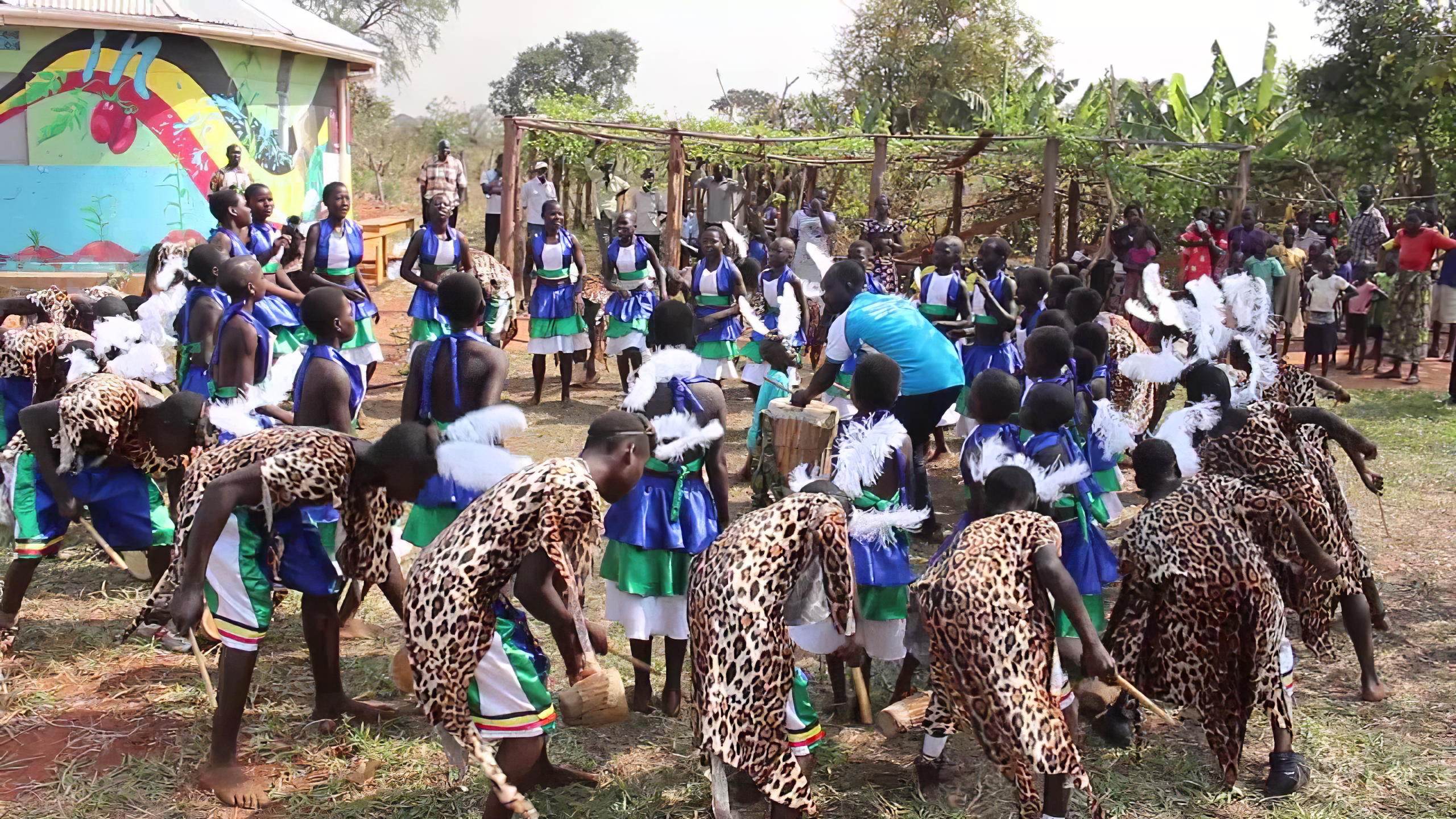
The sub-region comprises the districts of Agago, Amuru, Gulu, Kitgum, Lamwo, Nwoya,Omoro and Pader. Although other Acholis are found in Magwe County in South Sudan, they are often excluded from the political meaning of the term “Acholi land”. In fact the Acholi from South Sudan refer to themselves as ‘Acoli’ not ‘Acholi’. The Acholi speak a western nilotic language, classified as Luoor Lwo.
Origins of Acholi People
The Acholi were originally inhabitants of Bahr-el-Ghazal Region in South Sudan before they migrated and settled in northern and eastern Uganda and others in western Kenya.
Legends also assert that the Acholi are a product of intermarriages between the Luo and the Madi of West Nile.
Although researchers say the word ‘Acholi’ is a term that became adopted for convenience over the years, there are many theories that show how the famous name came into existence.One of the theories states that prior to colonialism, the Acholi referred to themselves as ‘An-loco-li’, which means “I am a human being”, or “black”.
An-loco-li did not have any ethnic definition or geographical boundaries initially.Another theory says during the second half of the 19th Century, Arabic-speaking traders from the north referred to Acholi people as ‘shooli’, a term which was later transformed into ‘Acholi’.
In the late 17th Century, a new socio political order developed among the Luo who had settled in northern Uganda, mainly characterised by the formation of chiefdom headed by chiefs known as Rwodi or Rwoti in Luo. By the mid-19th Century, about 60 small chiefdom existed in eastern Acholi land all ruled by Rwodis or chiefs.
Although many chiefs were ruling smaller clans within the Acholi sub-region, it was not until the British colonial era when Rwot Awich of the Payira clan became the Acholi Paramount Chief in 1900s. Payira clan is one of the biggest clans in Acholi sub-region.
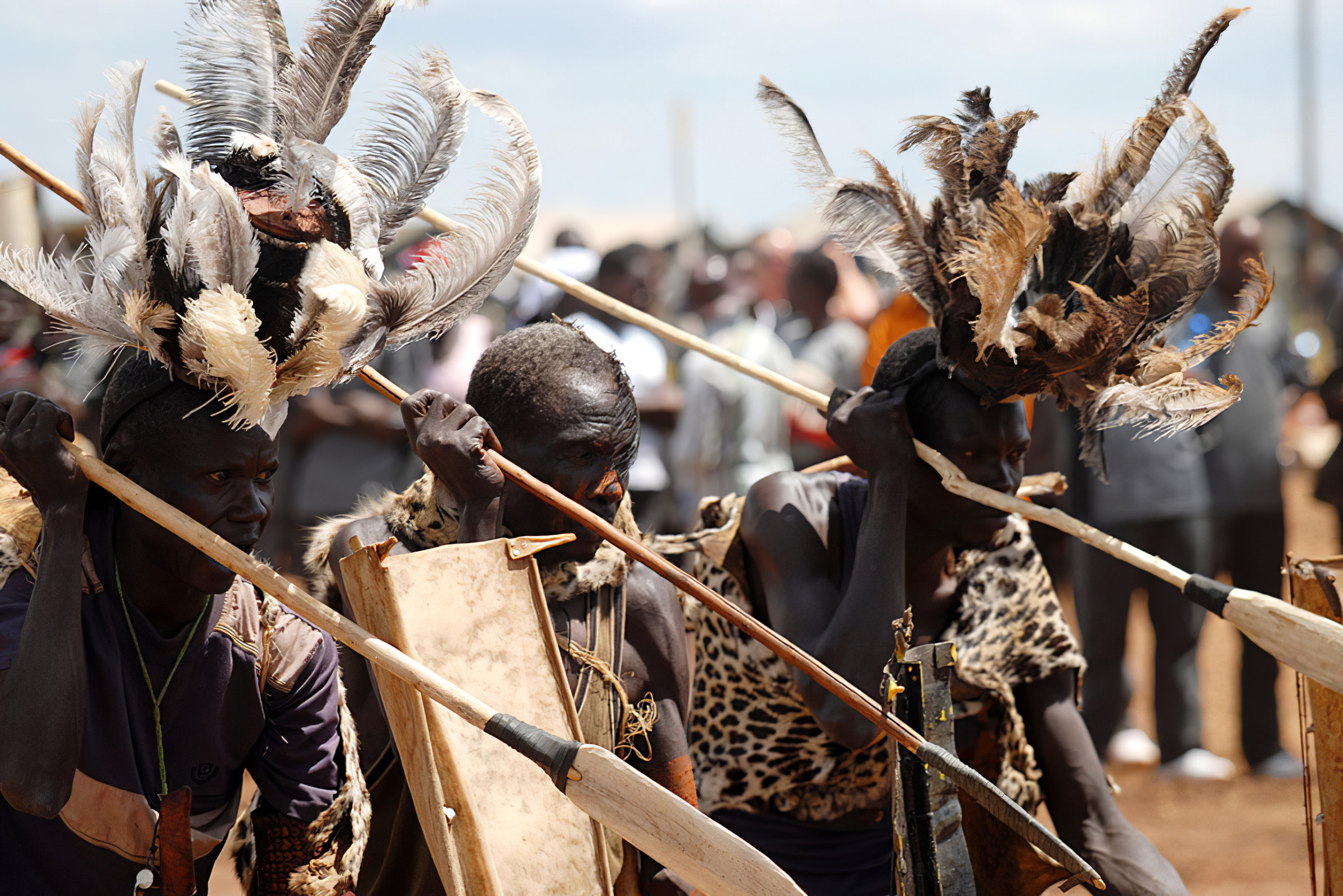
It is the clan from which the paramount chief is chosen from the lineal family line. The Rwot/chief was a central figure and he had executive, judicial and legislative powers. In addition, he was the link between the living and the dead. It was his duty to offer sacrifices to ancestors on behalf of his subjects. The chiefdom currently has 57 sub-clans which are all headed by Rwodis.
Traditionally, chiefs were chosen from one clan, and each chiefdom had several villages made up of different patrilineal clans.Since 1900, more than 20 Paramount Chiefs have ruled the Acholi Chiefdom most notably RwotAwich (deceased), Rwot Ali Aliker (deceased), Rwot Yona Odida(deceased)
and Rwot Justine Acana I (deceased),
among others.The current Acholi Paramount Chief is Rwot David Onen Acana II who ascended the throne after the death of his father Rwot AcanaI in2005. He is the 25th paramount chief and currently he over sees 54 smaller chiefdom locally known as ‘ker’. Members of the royal lineage ‘kaka pa rwot’ are known as the ‘people of the court’ or ‘jokal’ or lobito or the‘people of power’.
Acholi chiefdom is also gifted by nature. It has a number of natural and historic sites that have become great tourist destinations. Notable among them are the Lamogi hills, the hills where the Lamogi clan people staged a partial resistance to the British Colonial rule, They are found in Amora Village, Lamogi Sub-county in Amuru District, Fort patiko, Guru Guru, Aruu fall. not forgetting there beautiful cultural foods and dances which attracted the interest of Tourist in Northern Uganda.
 joram jojo
Leave a comment